





Gold Lozenge D-Ring – Stability & Anatomical Engagement
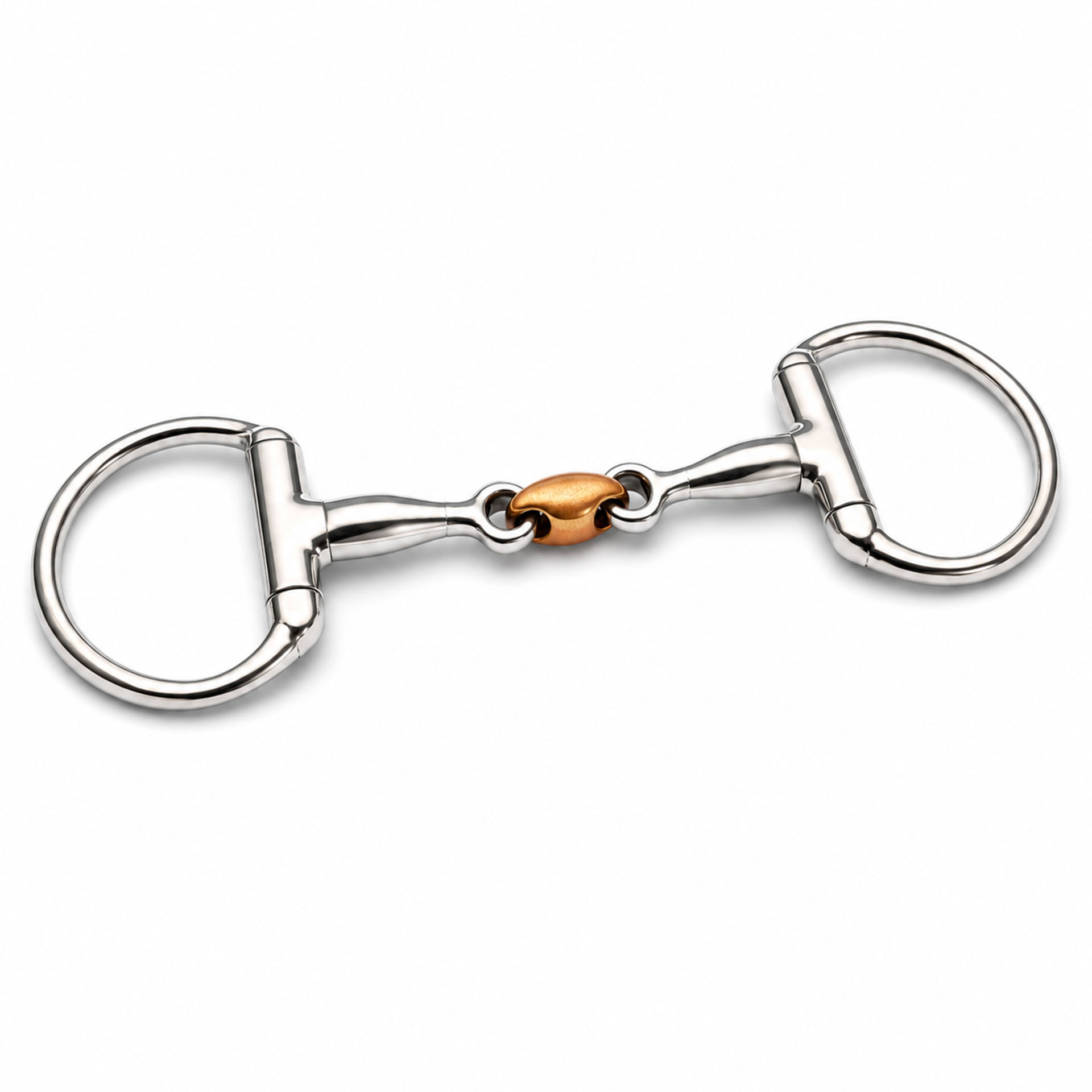
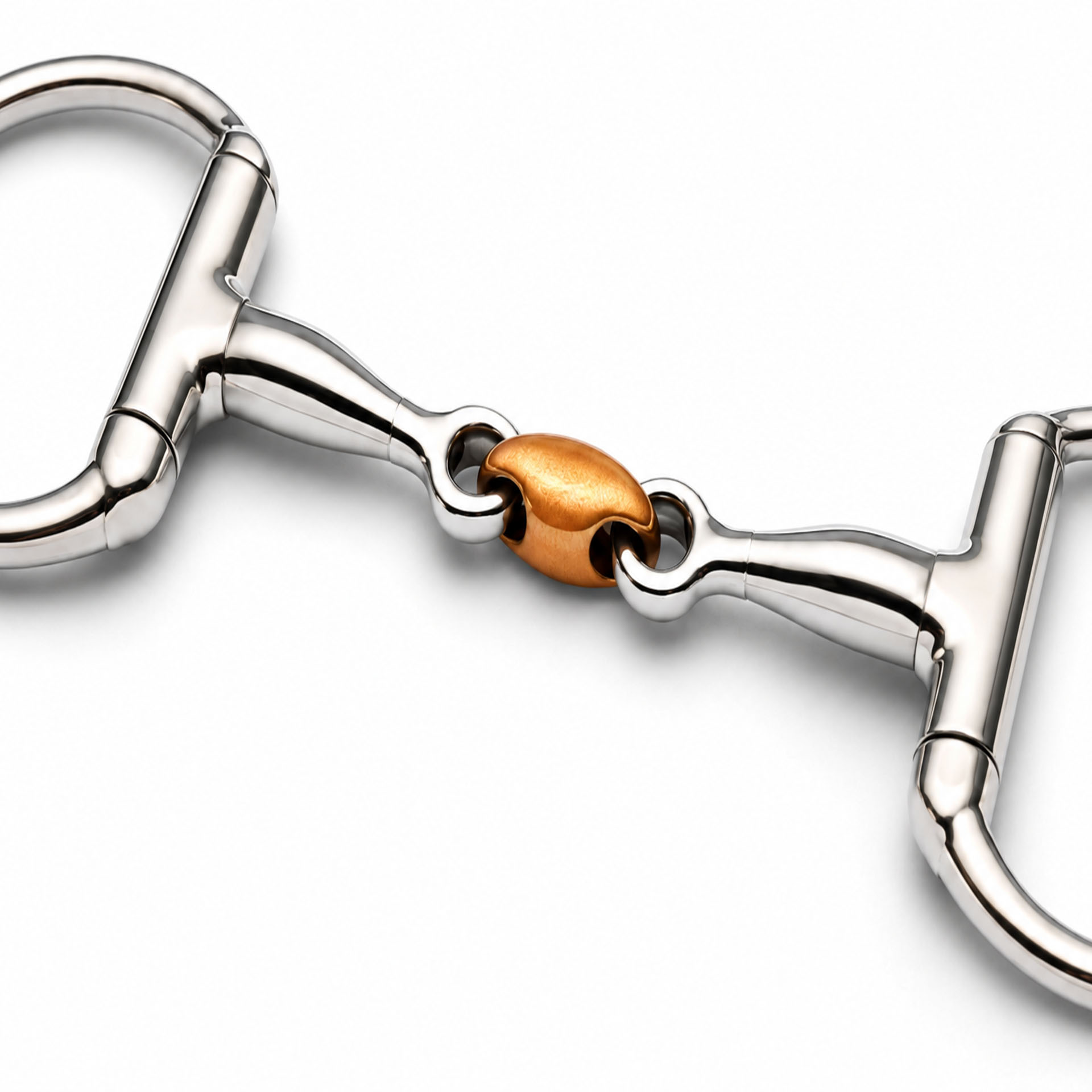
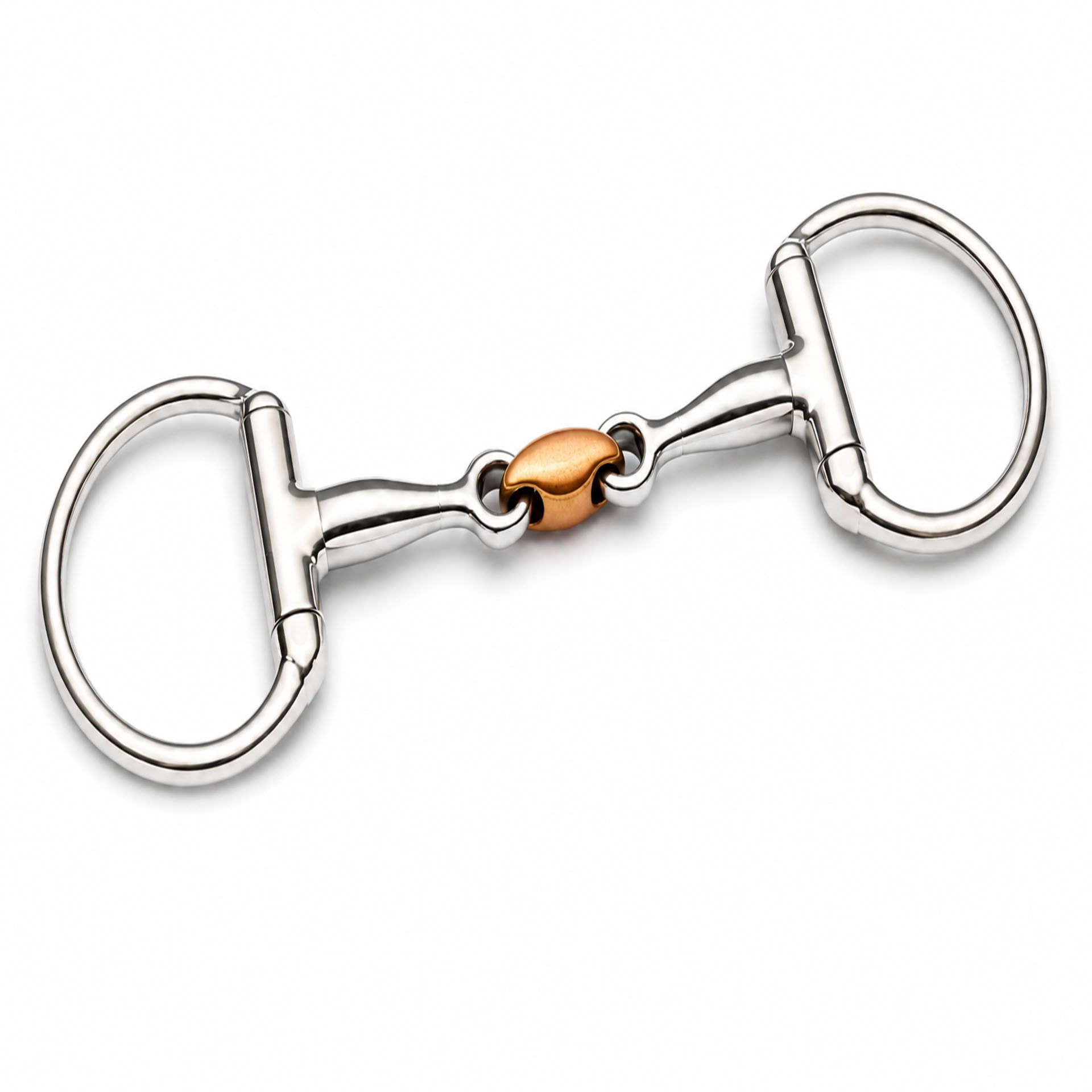
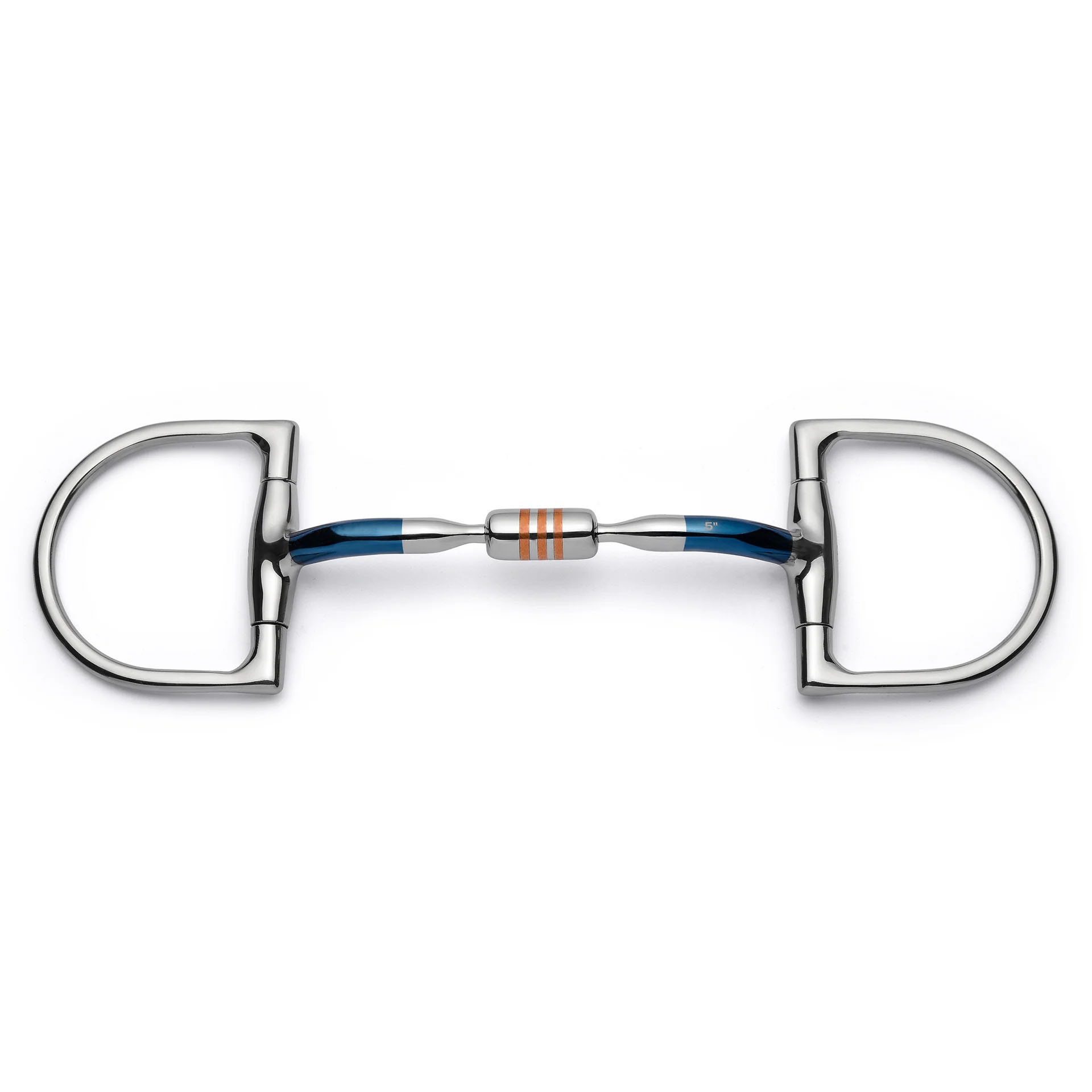
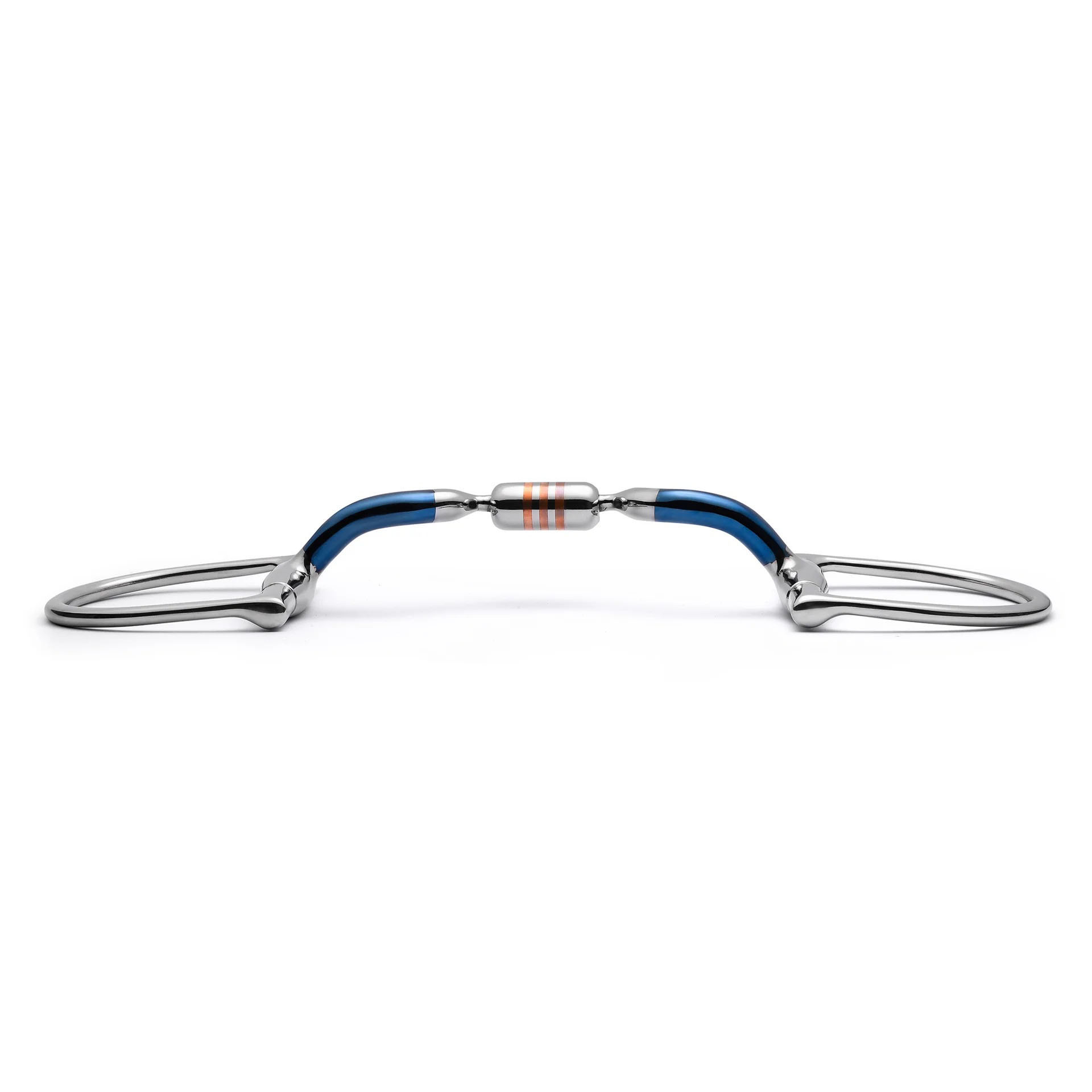
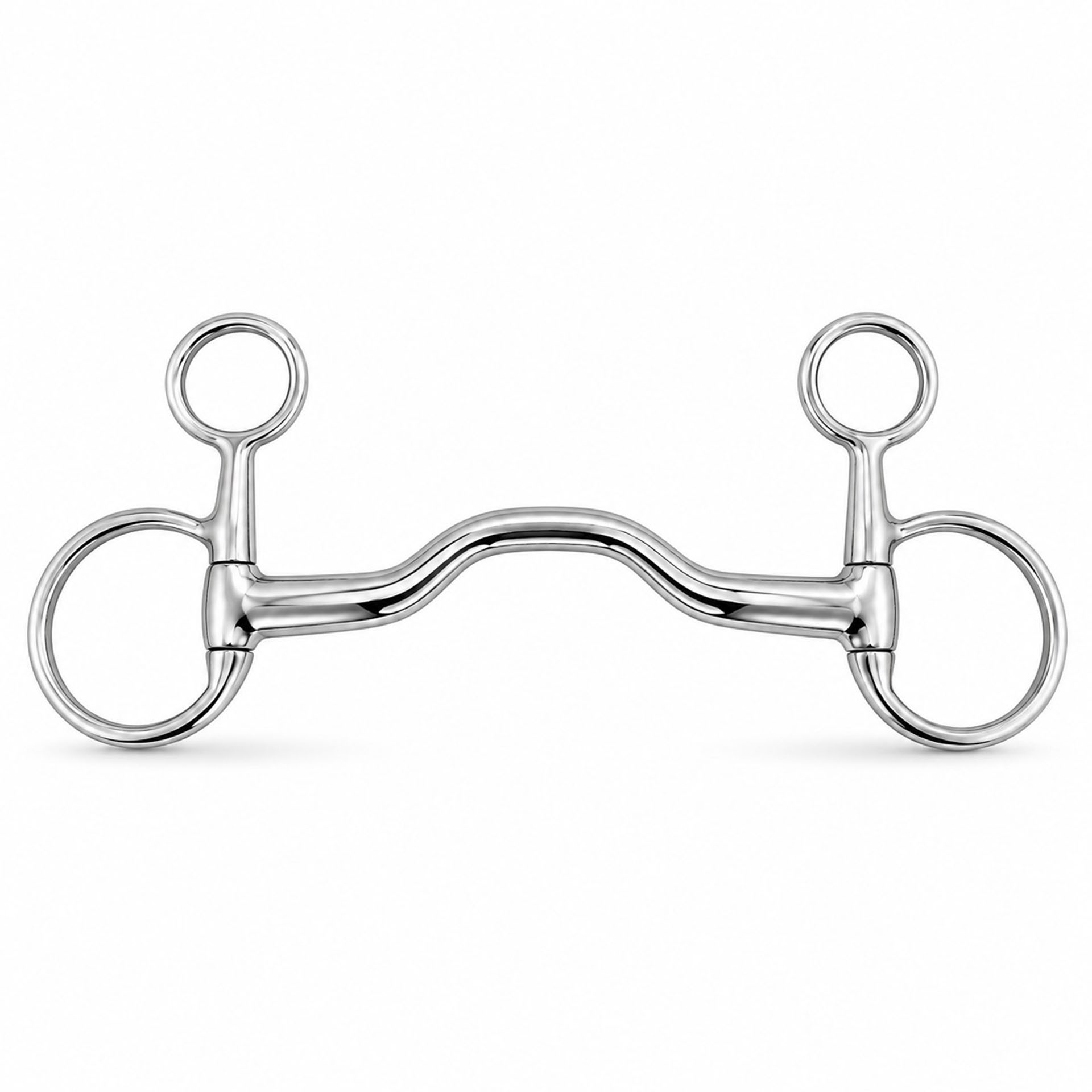
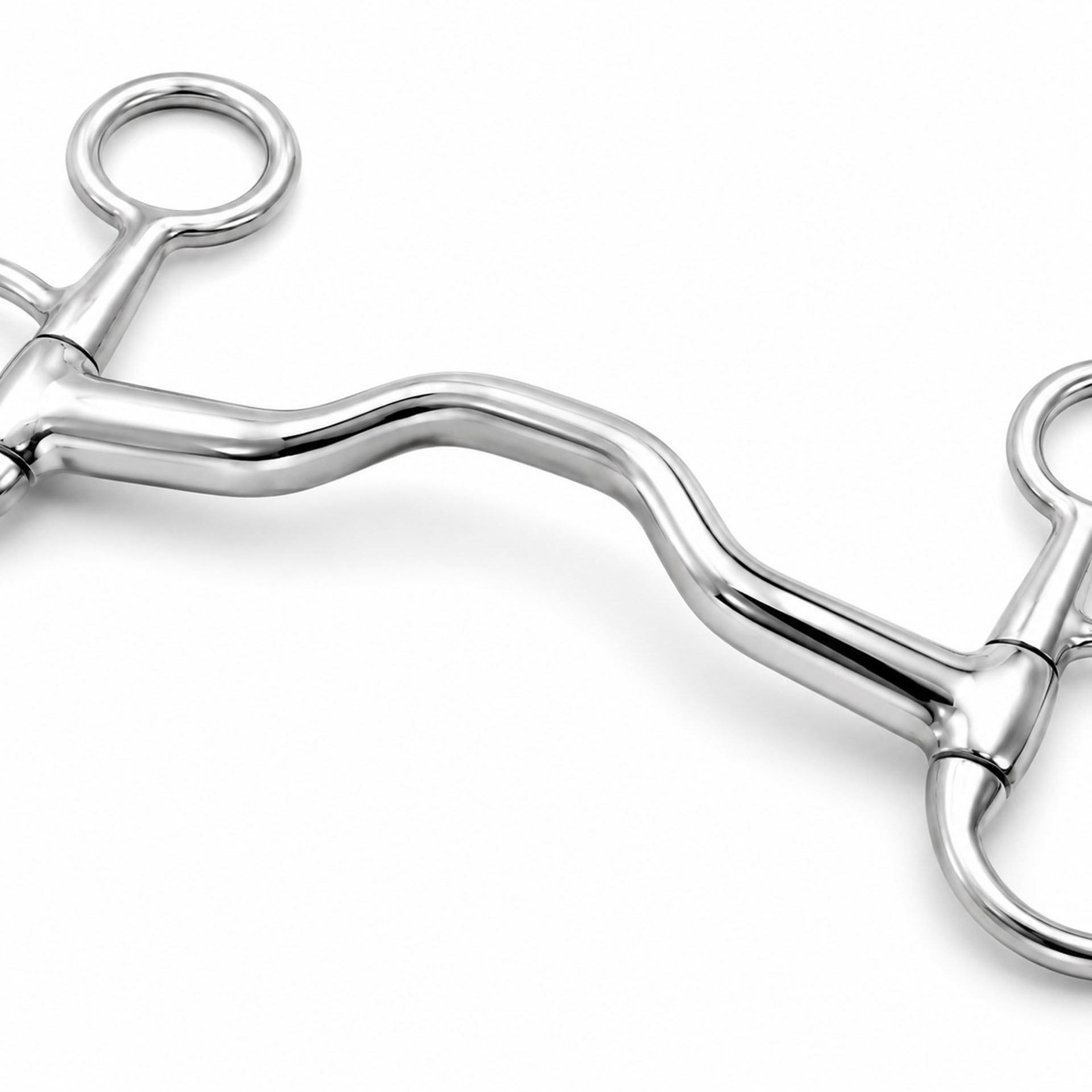
The mechanical solution for lateral guidance, tongue relief, and consistent signal transmission. The Gold Lozenge D-Ring Snaffle Horse Bit is an ergonomic training instrument engineered to solve the requirement for steering stability and balanced pressure distribution. Featuring stabilizing D-ring cheeks for precise lateral guidance and a double-jointed mouthpiece with a central gold-finish lozenge, this bit acts as a mechanical necessity for the trainer; it provides the steady, non-distracting contact required to build confidence in young horses and the clear communicative interface needed for disciplined schooling and flatwork.
Key Features for Professional Equine Training
Stabilizing D-Ring Geometry: Engineered with fixed D-shaped cheeks. This design is a mechanical necessity for directional control; it provides a direct lateral guide against the horse’s lips, which is the mechanical necessity for ensuring precise turning and preventing the bit from sliding through the mouth.
Anatomical Gold-Finish Lozenge: Features a central, double-jointed lozenge. This construction is a mechanical necessity for tongue relief; it eliminates the "nutcracker" effect of single-jointed bits, which is the mechanical necessity for ensuring even pressure across the tongue and bars.
Consistent Contact Interface: Designed to provide a steady, fixed position in the mouth. This stability is a mechanical necessity for precision; it ensures that every subtle movement of the rider’s hands is translated clearly, which is the mechanical necessity for teaching horse responsiveness.
Professional-Grade Construction: Built with high-tensile stainless steel. This construction is a mechanical necessity for longevity; it provides the structural integrity required to withstand the high-frequency demands of daily schooling and training.
Training-Specific Utility: Engineered to be effective in both early-stage steering education and advanced flatwork refinement. This versatility is a mechanical necessity for the trainer’s need to maintain a consistent communication interface across varying levels of work.
Hygiene-Optimized Finish: Finished with a high-polish surface. This surface is a mechanical necessity for maintenance; it resists corrosion and debris buildup, which is the mechanical necessity for ensuring a hygienic and comfortable mouth-feel for the horse.
Technical Specifications
| Attribute | Specification |
| Product Name | Gold Lozenge D-Ring Snaffle Horse Bit |
| Mouthpiece | Double Jointed Lozenge |
| Material | Stainless Steel |
| Finish | Polished Silver & Gold |
| Ring Type | D-Ring |
| Size | 5" |
| Action | Mild Snaffle |
| Reusability | Reusable |
| Application | Horse Training & Riding |
| Brand | Altiger Industries |
Why Trainers Choose This Bit?
Steering: The D-ring design is a mechanical necessity; it provides the lateral leverage required for clear directional cues, which is the mechanical necessity for developing steering accuracy in young or green horses.
Comfort: The double-jointed lozenge is a mechanical necessity; it allows the bit to conform to the horse's palate and tongue shape, which is the mechanical necessity for avoiding resistance and oral bracing.
Responsiveness: The stable position of the D-ring is a mechanical necessity; it keeps the bit quiet in the mouth, which is the mechanical necessity for the horse to focus on the rider's aids rather than the bit itself.
Reliability: The stainless steel construction is a mechanical necessity for maintaining the structural integrity of the bit through repeated daily usage and cleaning cycles.
FAQ Section
Q: Why is the D-ring preferred for young horses?
A: Guidance is a mechanical necessity. The fixed D-ring prevents the bit from pinching the corners of the mouth and provides clear lateral support, which is a mechanical necessity for a horse learning to turn under pressure.
Q: Does the central lozenge help with a "heavy" horse?
A: Yes. Pressure distribution is a mechanical necessity. By spreading the rein tension across a wider surface area of the tongue, the lozenge prevents the horse from "locking" onto the bit, which is a mechanical necessity for keeping the horse soft.
Q: Is this bit appropriate for daily schooling?
A: Yes. The combination of stability and anatomical comfort is a mechanical necessity for schooling, which is the mechanical necessity for a consistent, positive training experience.
Q: How should I maintain the gold finish?
A: Hygiene is a mechanical necessity. Wiping the bit clean after every session is a mechanical necessity for preserving both the bit's finish and its mechanical function.


Reviews
There are no reviews yet