

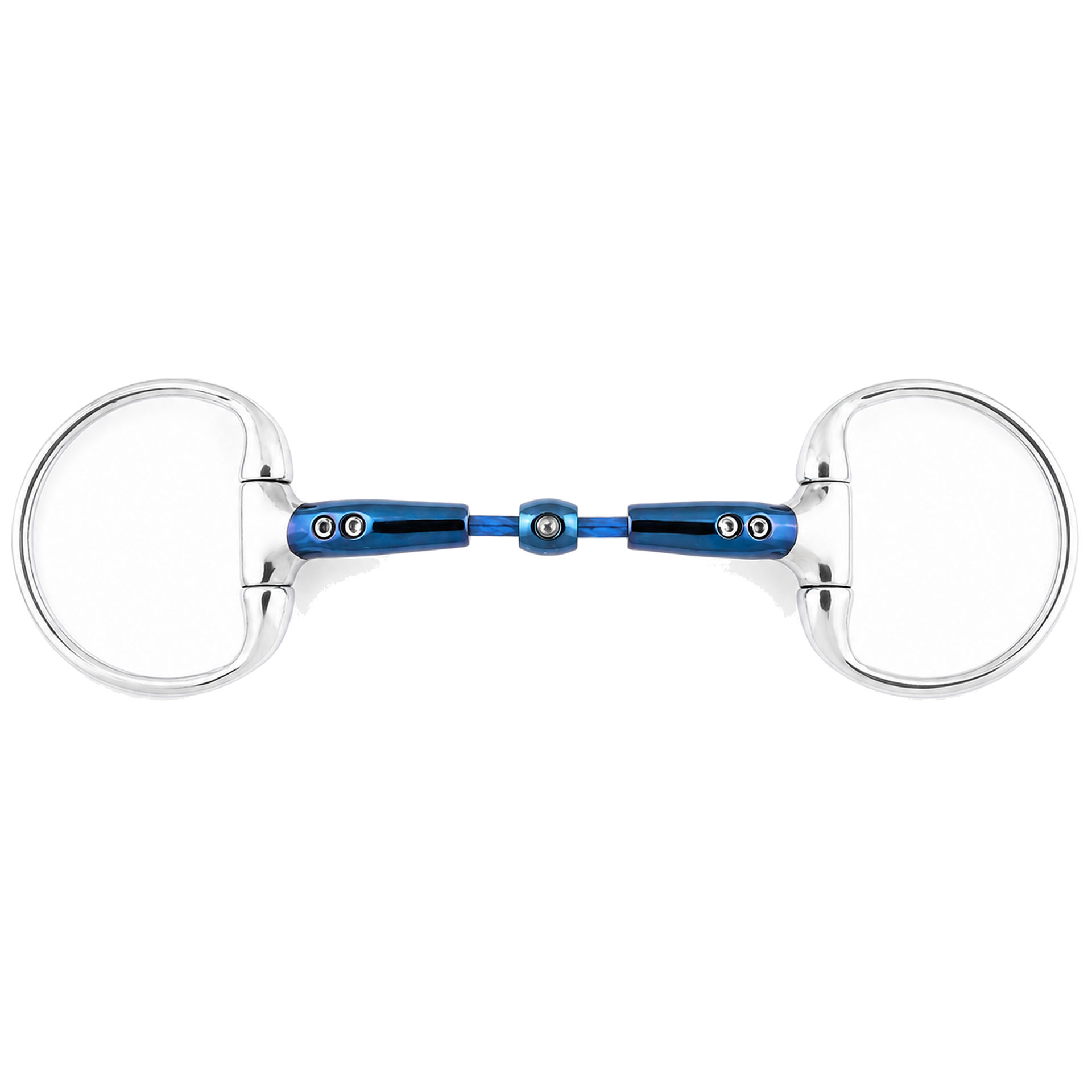

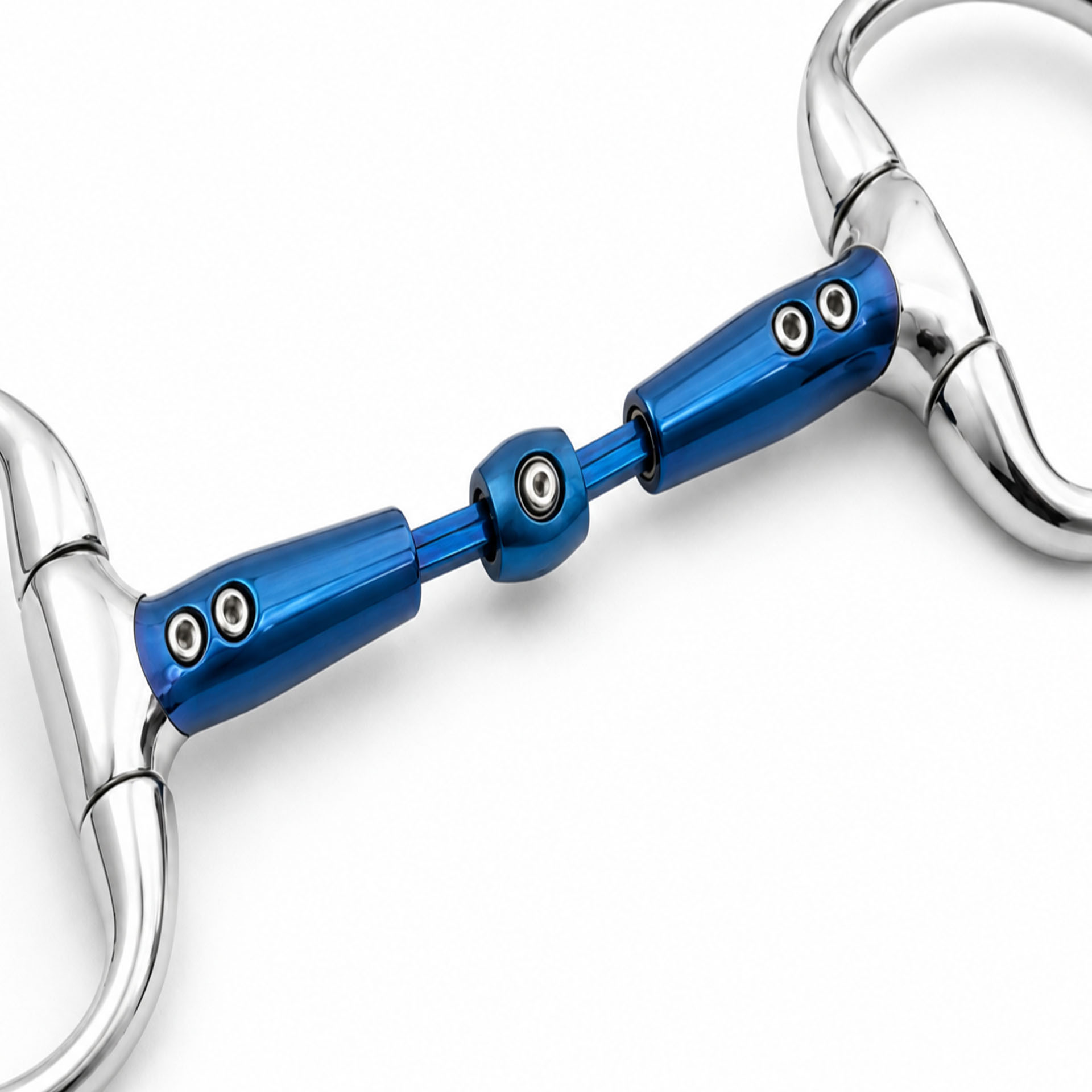
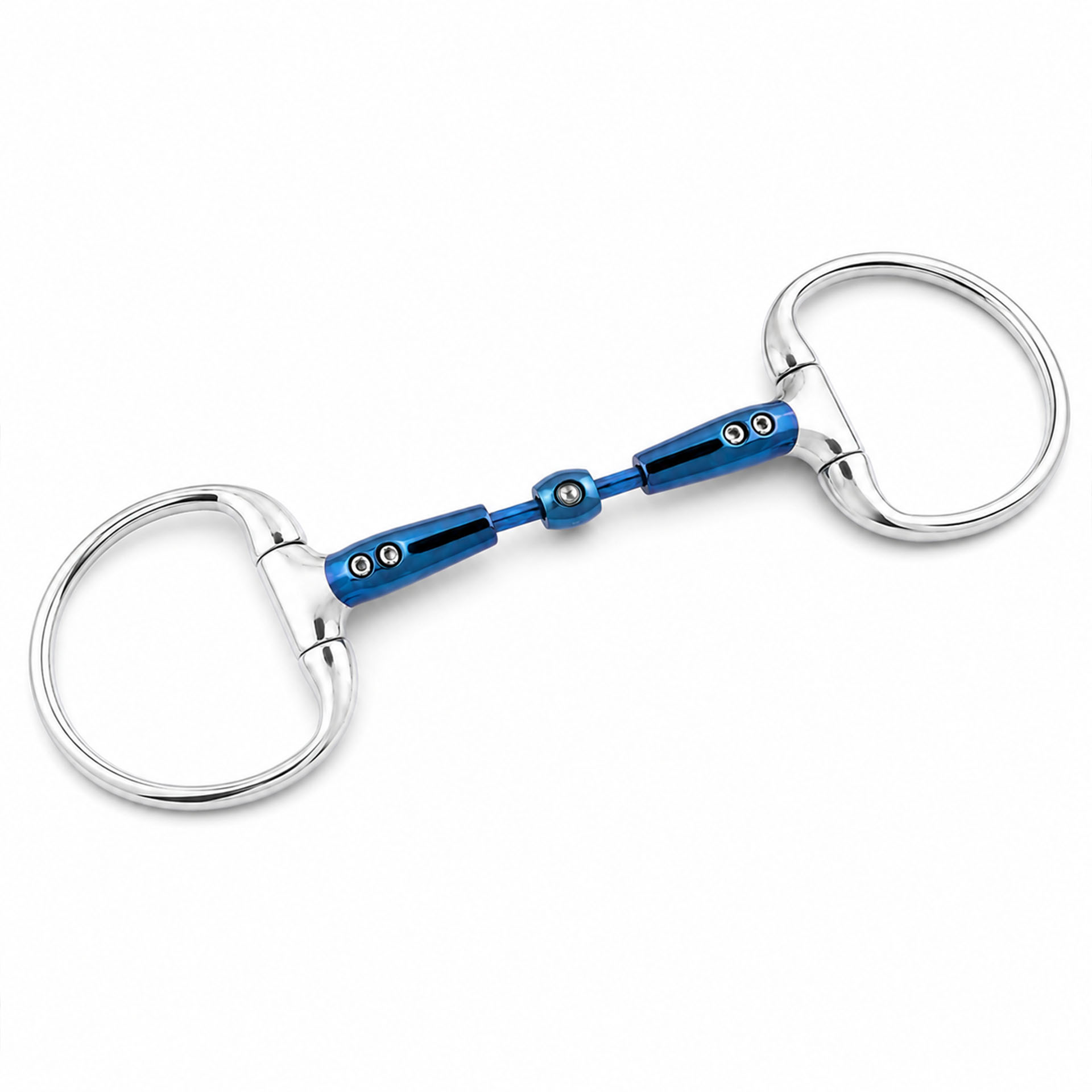



D-Ring Single Jointed Snaffle – Steering Stability & Clear Communication
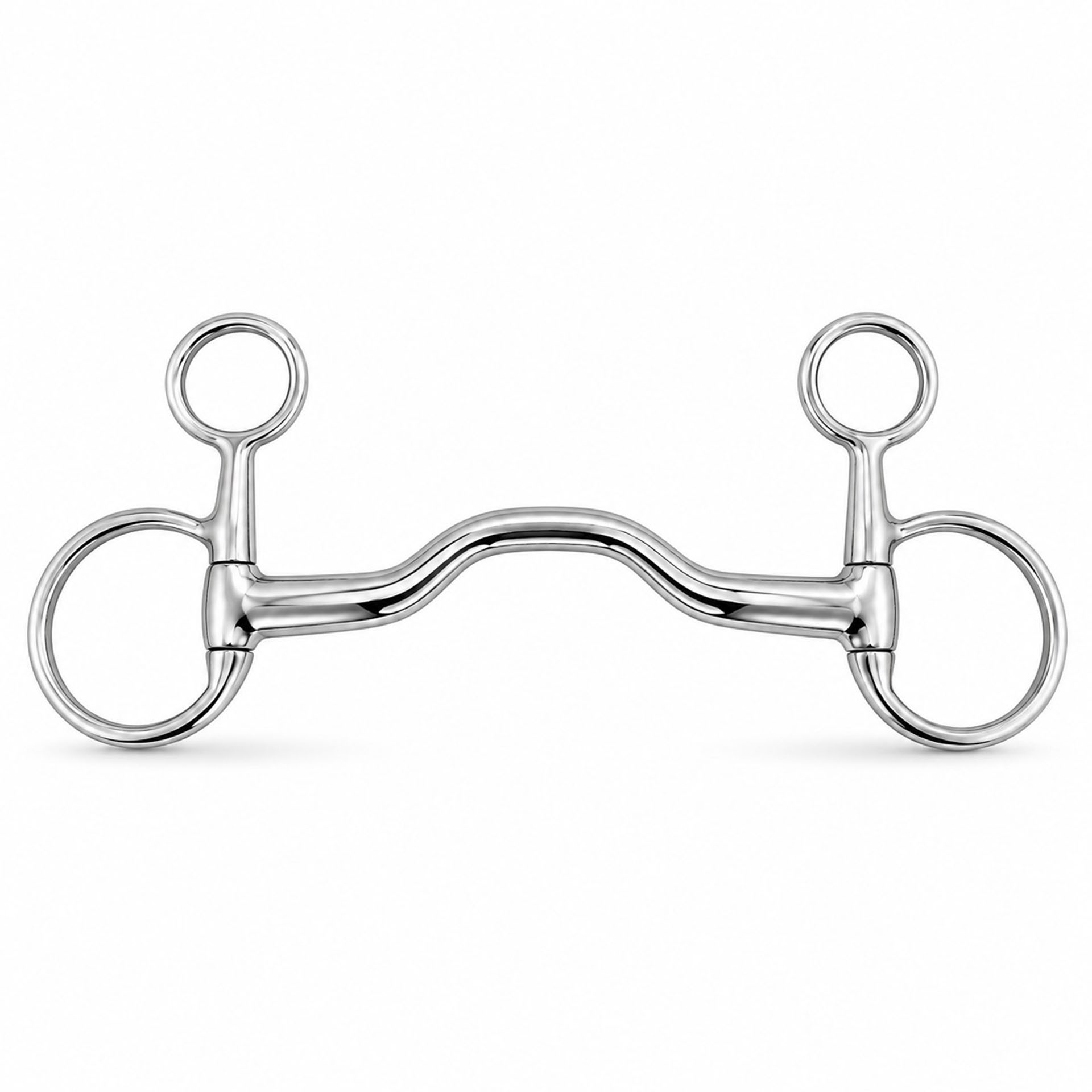
The mechanical solution for reliable guidance, stable positioning, and foundational equine education. The D-Ring Single Jointed Snaffle is a fundamental training instrument engineered to solve the requirement for precise steering and consistent tactile feedback. Featuring the stabilizing D-ring cheek design for lateral guidance and a classic single-jointed mouthpiece for clear, direct signal transmission, this bit acts as a mechanical necessity for the trainer; it provides the steady, predictable feel required for routine schooling, flatwork, and the development of responsive steering.
Key Features for Professional Equine Training
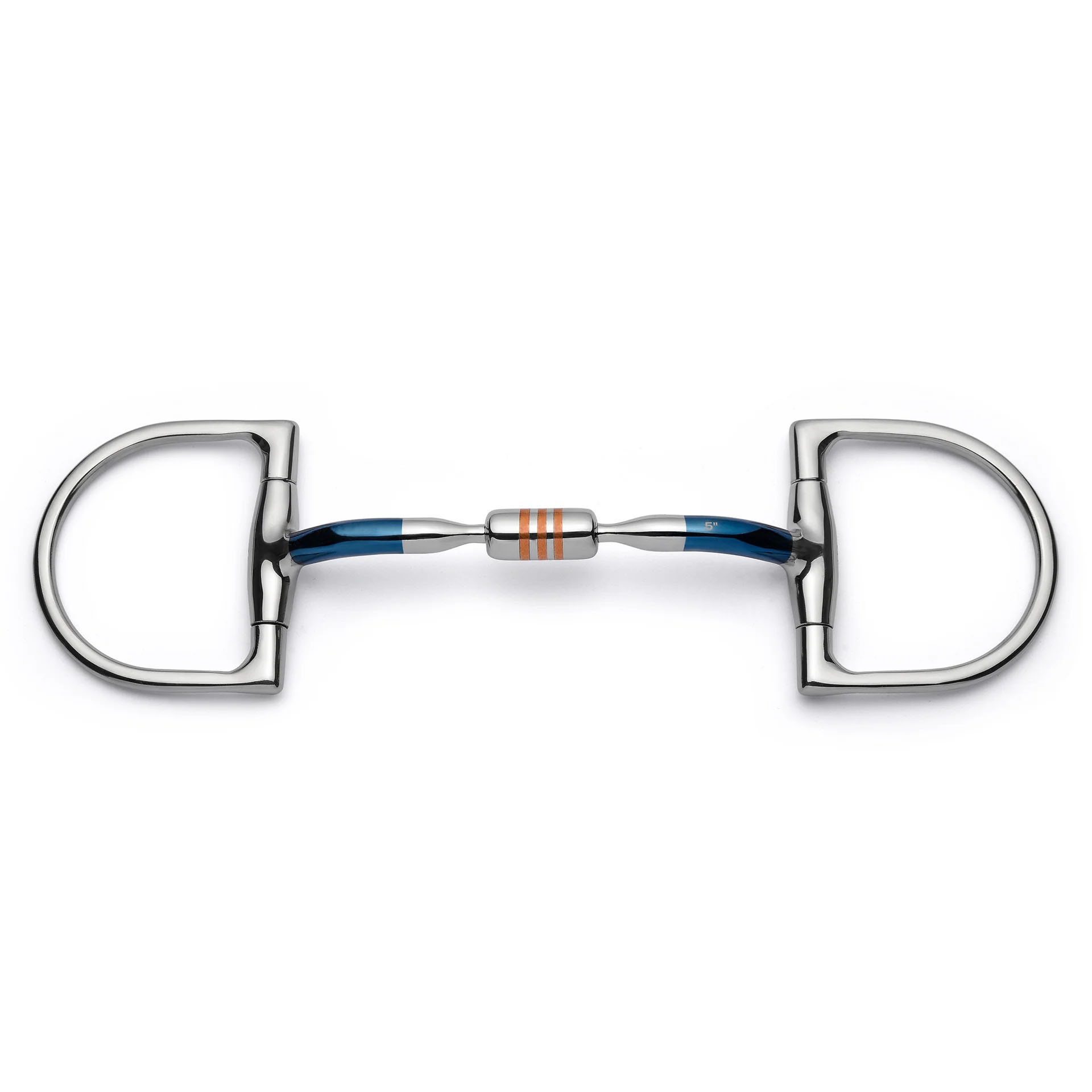
Stabilizing D-Ring Geometry: Engineered with fixed D-shaped rings. This design is a mechanical necessity for lateral guidance; it provides a direct guide against the horse’s lips during turns, which is the mechanical necessity for ensuring precise steering and preventing the bit from sliding through the mouth.
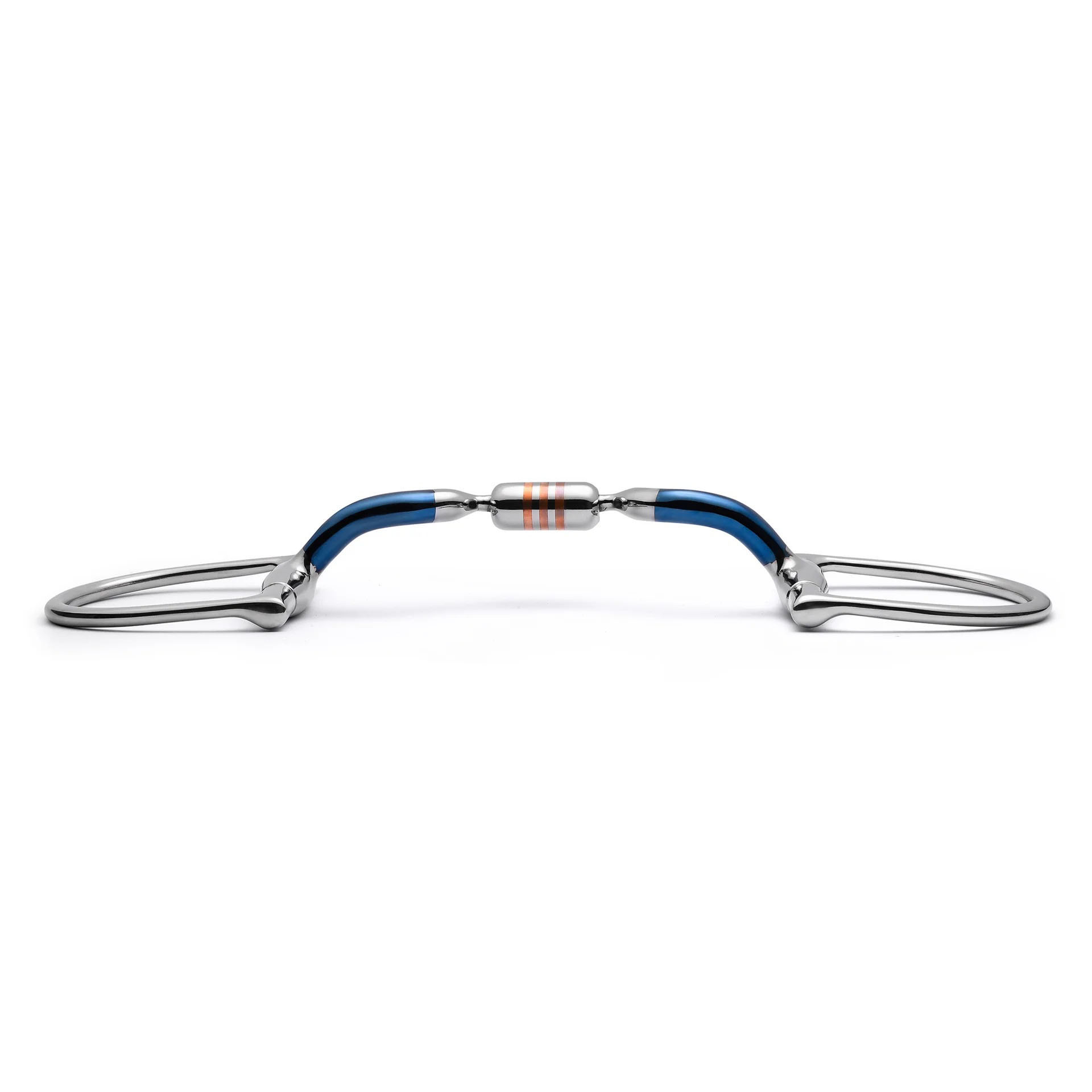
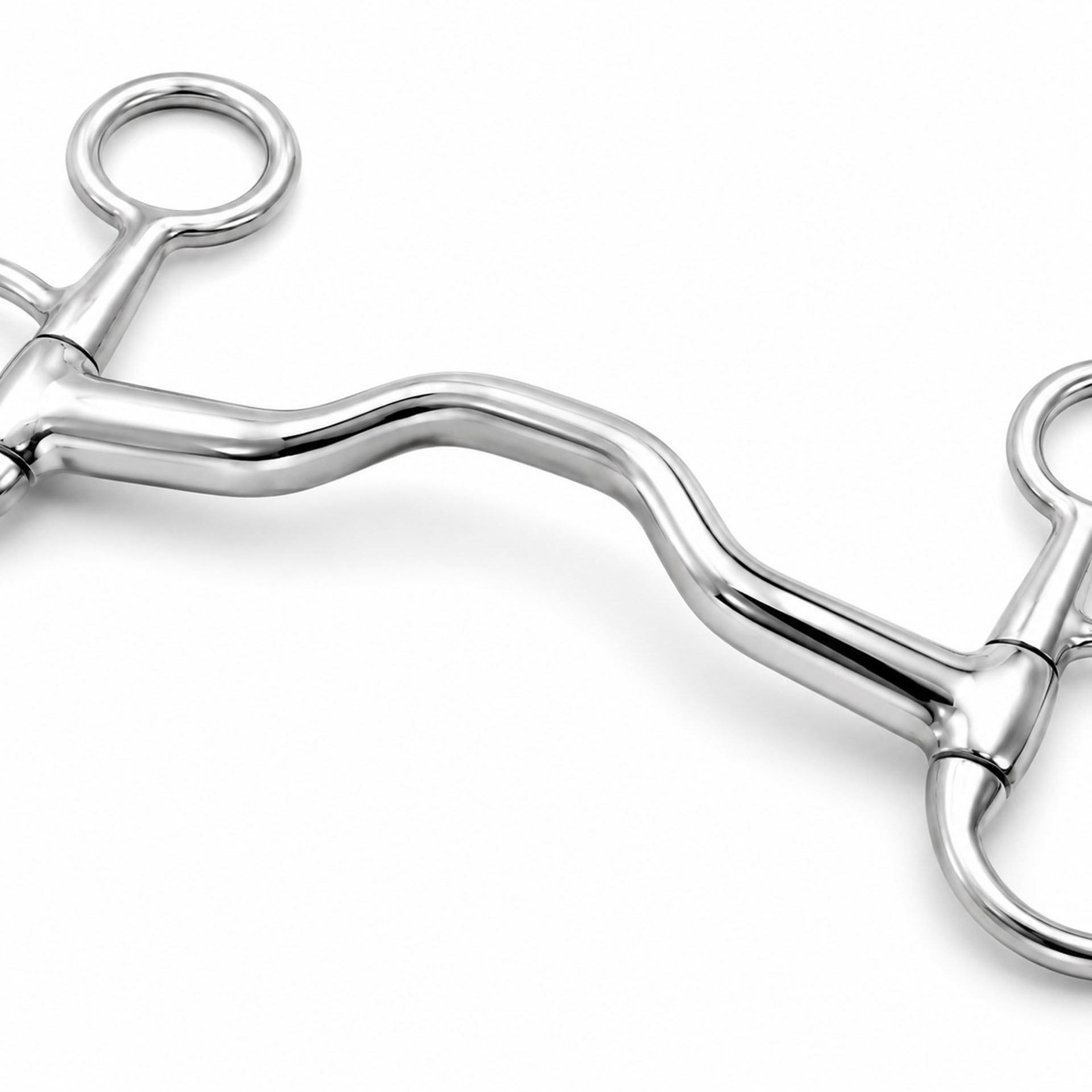
Direct-Action Single-Jointed Mouthpiece: Features a central hinge point. This joint is a mechanical necessity for signal clarity; it allows the rider to deliver immediate, unambiguous rein aids, which is the mechanical necessity for teaching the horse to respond to directional cues and yield to pressure.
Balanced Communication Interface: Designed to provide a fixed, stable position in the mouth. This stability is a mechanical necessity for precision; it ensures that the rider's aids are transmitted with consistency, which is the mechanical necessity for effective, clear communication during daily training sessions.
Professional-Grade Construction: Built to withstand the high-frequency demands of daily schooling, lessons, and flatwork. This durability is a mechanical necessity for the rider’s tack inventory, providing a reliable, long-lasting solution for routine equine development.
Training-Specific Utility: Engineered to be effective in both early-stage education and established schooling. This versatility is a mechanical necessity for the trainer’s need to maintain a consistent connection across different levels of training.
High-Tensile Stainless Steel: Forged for structural integrity and hygiene. This construction is a mechanical necessity for maintenance; it ensures the bit remains free from corrosion and retains its mechanical properties through repeated use and cleaning.
Detailed Product Description
The D-Ring Single Jointed Snaffle is a vital tool for any rider or trainer focused on developing a steady, attentive, and responsive horse. In equestrian education, the horse's ability to interpret clear, direct rein signals is the mechanical necessity for progress; the ability to use a bit that facilitates lateral guidance while providing immediate feedback is the mechanical necessity for achieving this.
At its core, the bit is designed for communicative reliability. The D-ring cheek acts as the mechanical necessity for maintaining the bit’s position, while the single-jointed mouthpiece provides the straightforward, direct signal-response loop that is the mechanical necessity for schooling sessions where steering accuracy and responsiveness are the primary training goals.
Built to exceed industry standards, this bit is a durable, high-utility asset. It provides the mechanical reliability that is a mechanical necessity for achieving successful, complication-free training outcomes across multiple riding disciplines.
Technical Specifications
| Feature | Specification |
| Bit Style | D-Ring Snaffle |
| Cheek Design | Fixed D-Ring for Lateral Guidance |
| Mouthpiece Design | Single-Jointed Snaffle |
| Primary Benefit | Steering Precision & Direct Communication |
| Material Base | High-Grade Stainless Steel |
| Use Case | Schooling, Flatwork & General Training |
Why Trainers Choose This Bit?
Steering Precision: The D-ring design is a mechanical necessity; it provides the leverage required for clear lateral guidance, which is the mechanical necessity for teaching proper turning mechanics.
Direct Signaling: The single-jointed design is a mechanical necessity; it transmits the rider’s hand signals directly to the mouth, which is the mechanical necessity for teaching the horse to yield to rein pressure.
Consistency: The D-ring construction is a mechanical necessity; it provides a steadier feel than loose rings, which is the mechanical necessity for horses that require a more predictable connection.
Durability: The stainless steel construction is a mechanical necessity for maintaining the integrity of the bit through repeated daily usage and cleaning cycles.
FAQ Section
Q: Why is the D-ring preferred for developing steering?
A: Guidance is a mechanical necessity. The fixed D-ring prevents the bit from sliding, which is the mechanical necessity for ensuring the rider’s directional signals are communicated directly and clearly.
Q: Why is the single-jointed mouthpiece preferred for training?
A: Clarity is a mechanical necessity. The single joint provides a distinct, unambiguous point of pressure, which is a mechanical necessity for a horse that is learning to distinguish between "stop," "turn," and "go" aids.
Q: Is this bit appropriate for green horses?
A: Yes. The combination of stable lateral guidance and the direct communication of the single joint is a mechanical necessity for schooling, which is the mechanical necessity for a positive, confidence-building start.
Q: Why is the D-ring design better for "stability" than a loose ring?
A: Fixed positioning is a mechanical necessity. The D-ring provides the steady, non-wavering contact that is a mechanical necessity for teaching the horse to seek a consistent, soft connection.
Q: How should I maintain the stainless steel finish?
A: Cleaning is a mechanical necessity. Wiping the bit clean after every session and allowing it to air-dry is a mechanical necessity for ensuring it remains hygienic and durable.


Reviews
There are no reviews yet