





D-Ring French Link – Stable Contact & Pressure Distribution
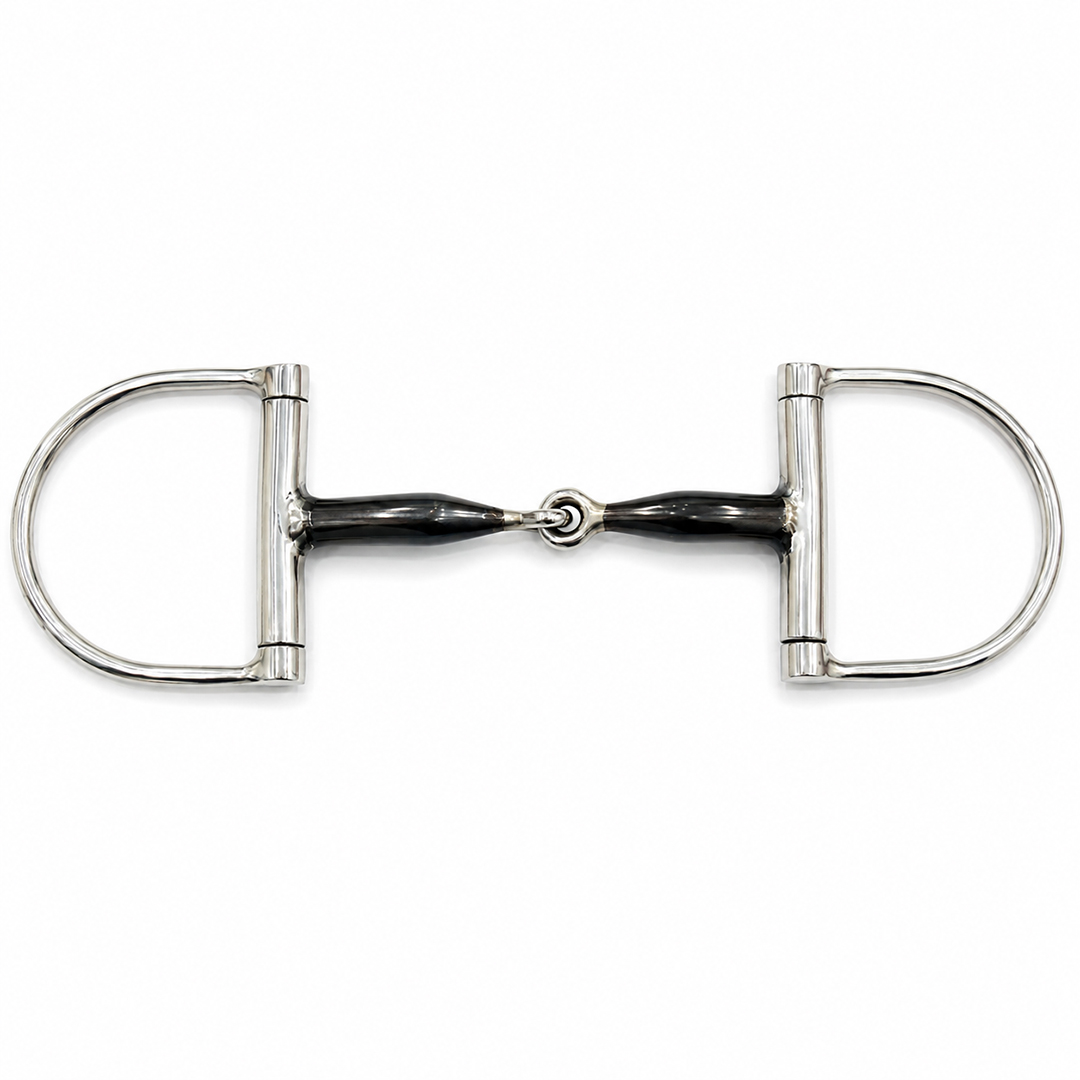
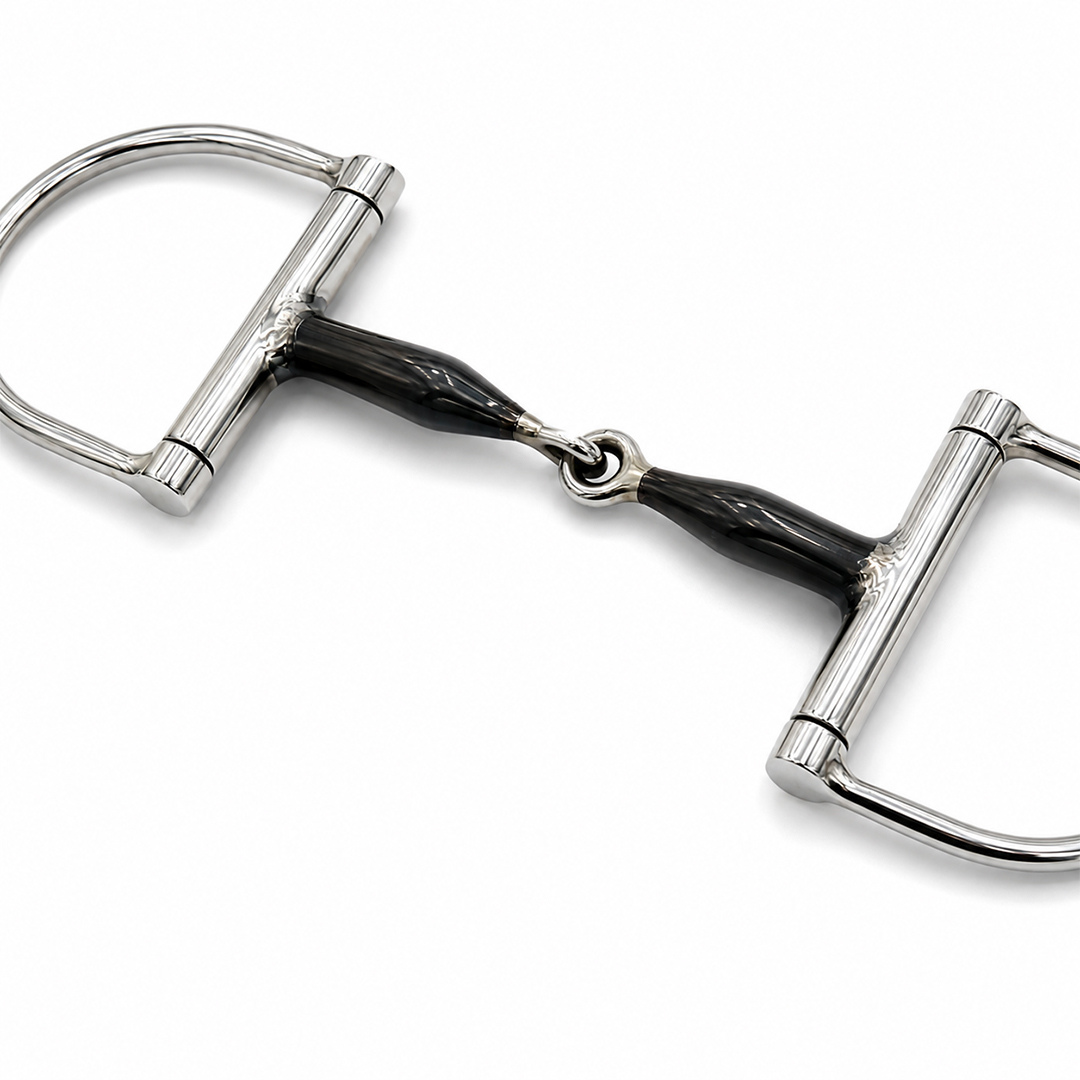
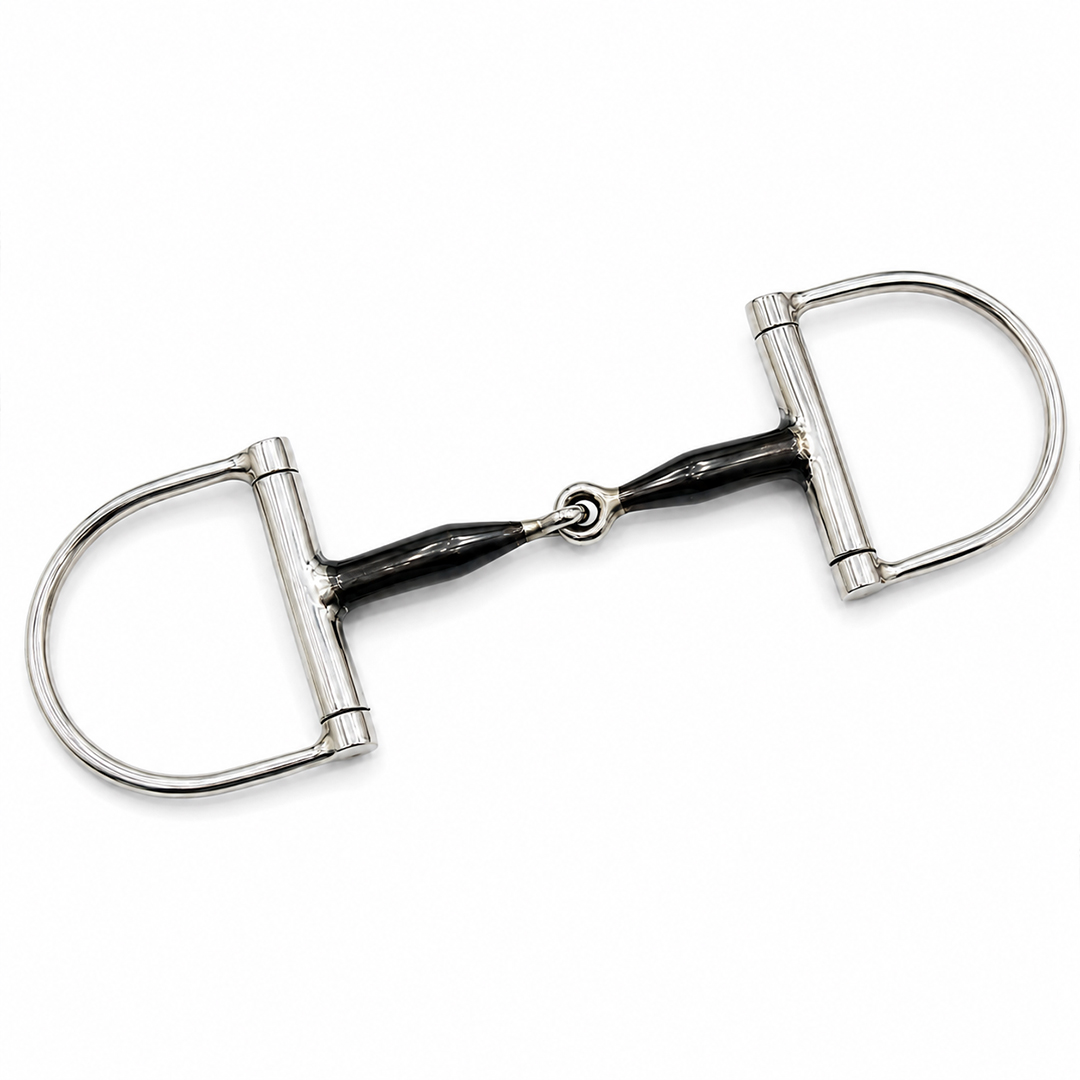
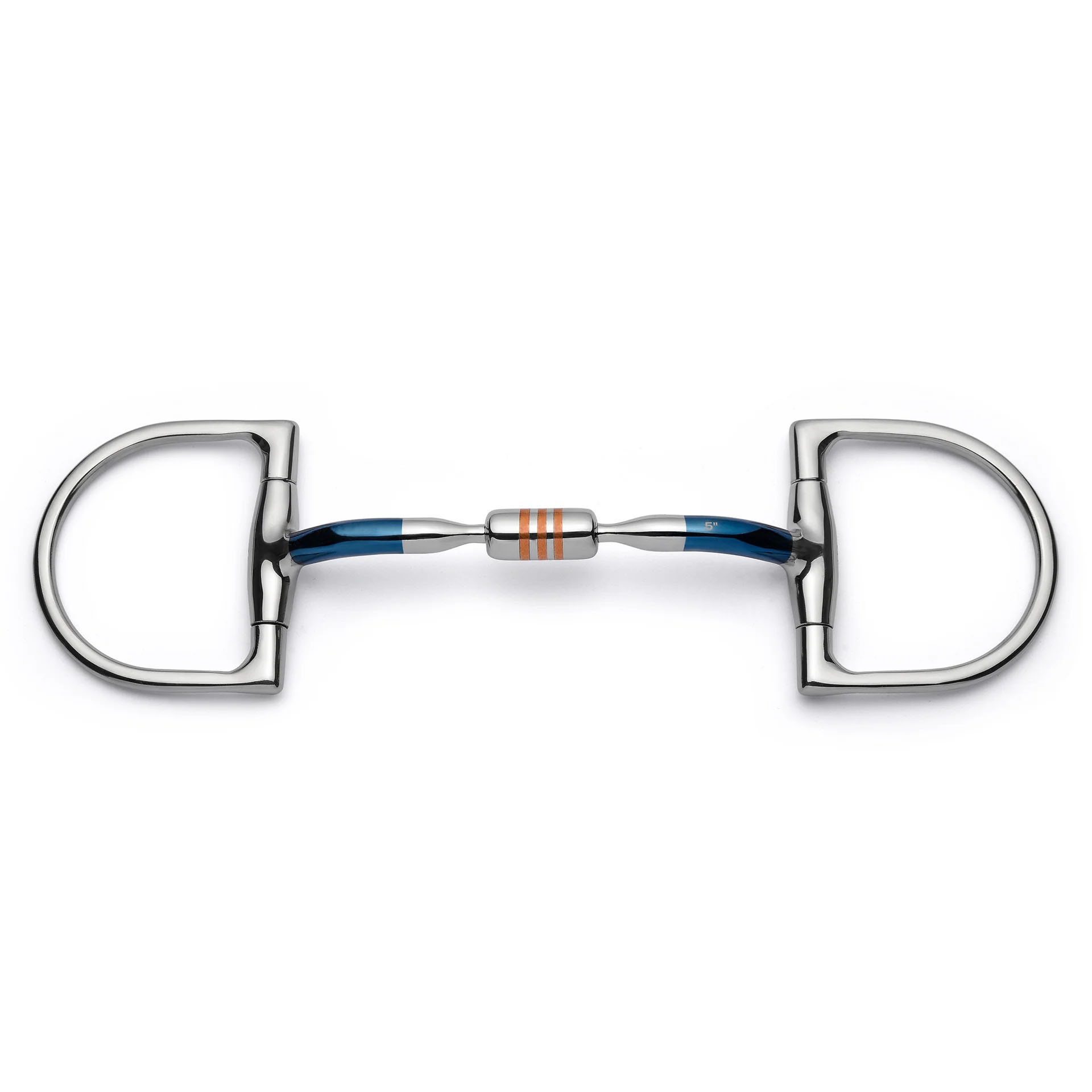
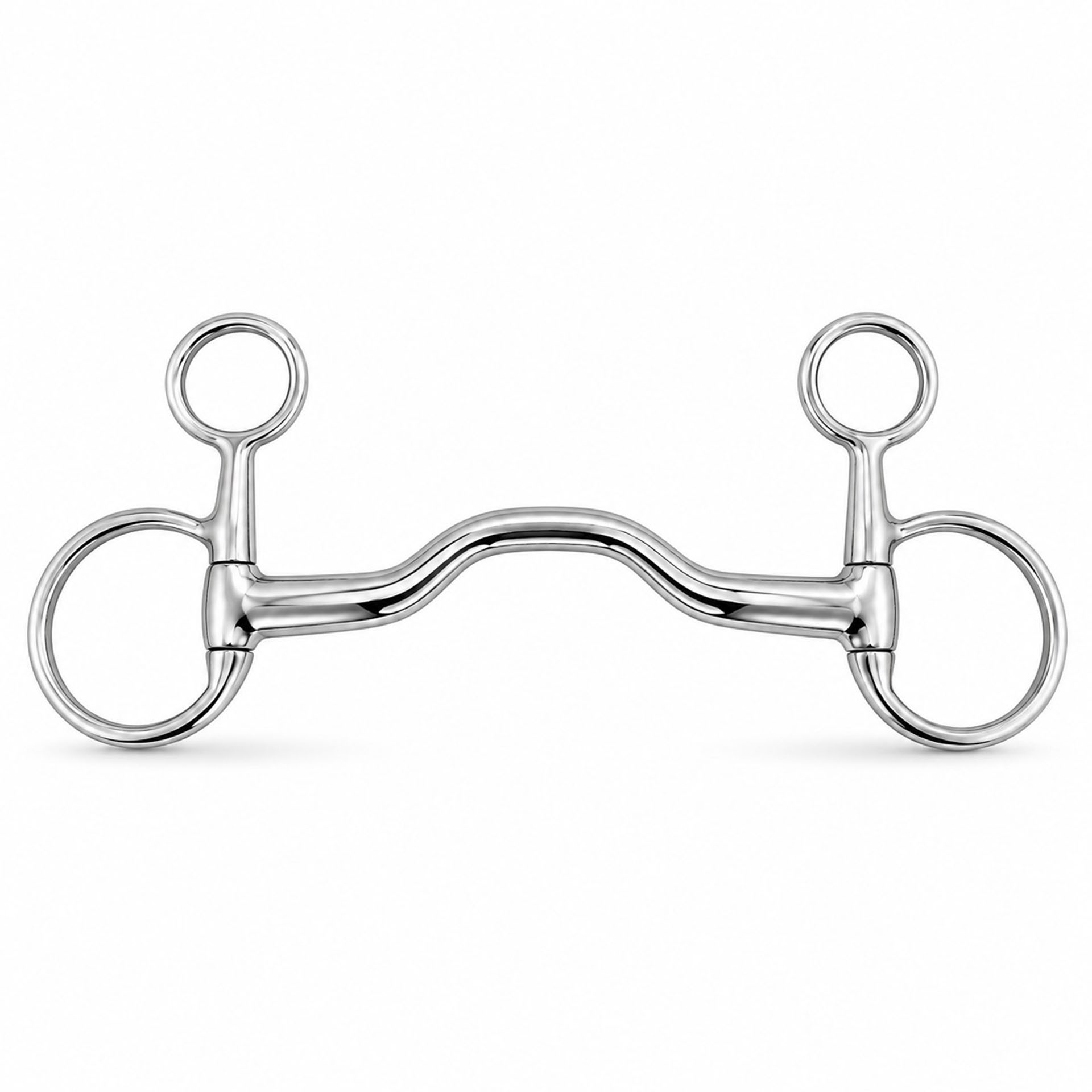
The mechanical solution for even pressure distribution and precision steering. The D-Ring French Link Horse Bit is a foundationally essential training tool engineered to solve the requirement for soft, consistent contact and improved directional clarity. Featuring the stabilizing D-ring cheek design for lateral guidance and a double-jointed French link mouthpiece to eliminate the harsh "nutcracker" effect, this bit acts as a mechanical necessity for the trainer; it provides the steady, comfortable feel required for routine schooling, flatwork, and general equine education.
Key Features for Professional Equine Training
Stabilizing D-Ring Geometry: Engineered with fixed D-shaped rings. This design is a mechanical necessity for lateral guidance; it provides a direct guide against the horse’s lips during turns, which is the mechanical necessity for ensuring precise steering and preventing the bit from sliding through the mouth.
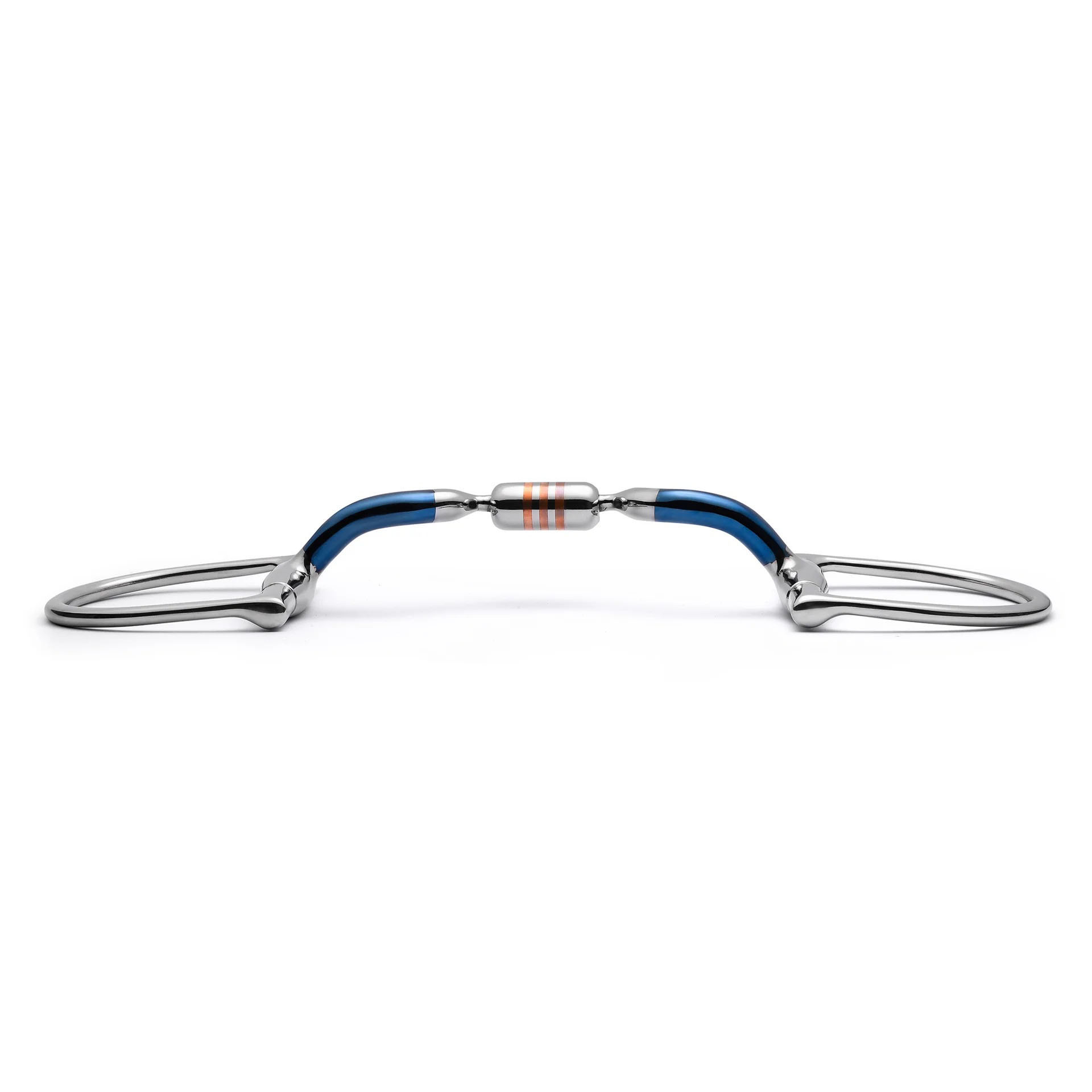
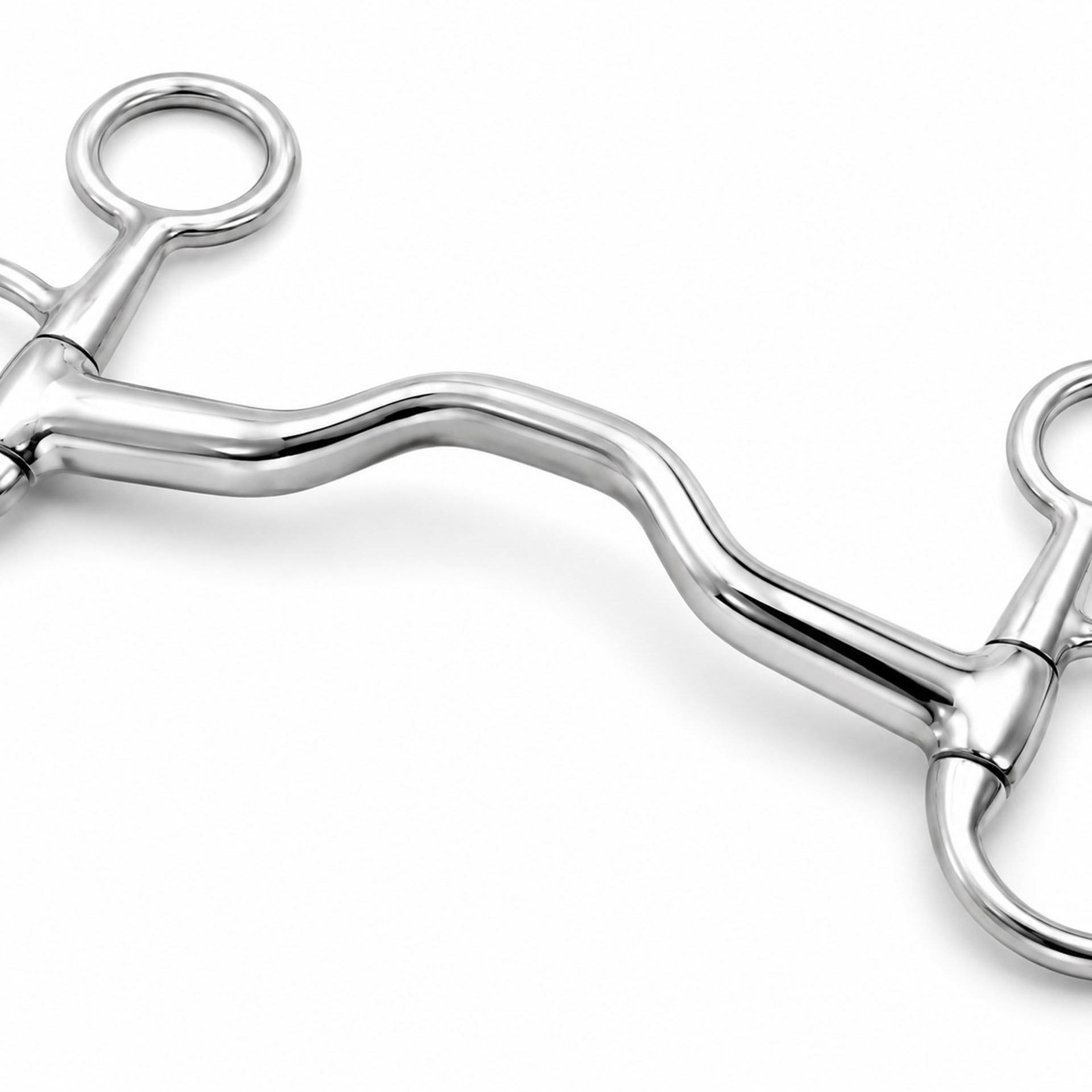
Double-Jointed French Link Mouthpiece: Features a flat, central lozenge link. This joint is a mechanical necessity for comfort; it eliminates the single-point palate pressure associated with single-jointed bits, which is the mechanical necessity for ensuring the horse maintains a soft, accepting, and non-resistant mouth.
Even Pressure Distribution: Forged to distribute contact across the bars and tongue simultaneously. This smooth profile is a mechanical necessity for pressure management; it eliminates localized hotspots, which is the mechanical necessity for maintaining the horse’s long-term trust in the rider's hands.
Steady Communication Interface: Designed to provide a fixed, stable position in the mouth. This stability is a mechanical necessity for precision; it ensures that the rider's aids are transmitted with consistency, which is the mechanical necessity for effective, clear communication during training.
Professional-Grade Construction: Built to withstand the high-frequency demands of daily schooling and flatwork. This durability is a mechanical necessity for the rider’s tack inventory, providing a reliable, long-lasting solution for routine equine development.
Training-Specific Utility: Engineered to be effective in both early-stage education and advanced refinement. This versatility is a mechanical necessity for the rider’s need to maintain a consistent, comfortable connection across different levels of training.
Detailed Product Description
The D-Ring French Link Bit is a vital tool for any rider or trainer focused on developing a steady, confident, and responsive horse. In equestrian education, the horse's ability to maintain a soft, non-resistant contact is the mechanical necessity for progress; the ability to use a bit that facilitates lateral guidance while promoting an even, gentle pressure distribution is the mechanical necessity for achieving this.
At its core, the bit is designed for communicative reliability and oral comfort. The D-ring cheek acts as the mechanical necessity for maintaining the bit’s position, while the French link mouthpiece provides the smooth, broad-surface interface that is the mechanical necessity for horses that prefer a quiet, predictable feel.
Built to exceed industry standards, this bit is a durable, high-utility asset. It provides the mechanical reliability that is a mechanical necessity for achieving successful, complication-free training outcomes across multiple riding disciplines.
Technical Specifications
| Feature | Specification |
| Bit Style | D-Ring Snaffle |
| Cheek Design | Fixed D-Ring for Lateral Guidance |
| Mouthpiece Design | Double-Jointed French Link |
| Primary Benefit | Stability, Comfort & Even Pressure Distribution |
| Material Base | High-Grade Stainless Steel |
| Use Case | Schooling, Flatwork & General Riding |
Why Trainers Choose This Bit?
Steering Precision: The D-ring design is a mechanical necessity; it provides the leverage required for clear lateral guidance, which is the mechanical necessity for teaching proper turning mechanics.
Softness: The French link mouthpiece is a mechanical necessity; it distributes pressure across the tongue rather than the palate, which is the mechanical necessity for encouraging the horse to reach for the contact.
Consistency: The D-ring construction is a mechanical necessity; it provides a steadier feel than loose rings, which is the mechanical necessity for horses that require a more predictable connection.
Durability: The stainless steel construction is a mechanical necessity for maintaining the integrity of the bit through repeated daily usage and cleaning cycles.
FAQ Section
Q: Why is the French link better than a single-jointed bit?
A: Pressure management is a mechanical necessity. By utilizing a flat central link, the French link removes the "nutcracker" effect, which is the mechanical necessity for preventing palate pressure and head-tossing.
Q: Is this bit appropriate for green horses?
A: Yes. The combination of stable lateral guidance and the gentle pressure distribution of the French link is a mechanical necessity for schooling, which is the mechanical necessity for a positive, confidence-building start.
Q: How does the bit contribute to a "quiet" mouth?
A: Calmness is a mechanical necessity. By providing a fixed, stable, and comfortable interface, the bit minimizes unnecessary movement, which is the mechanical necessity for encouraging the horse to relax the jaw.
Q: Why is the D-ring preferred for developing steering?
A: Guidance is a mechanical necessity. The fixed D-ring prevents the bit from sliding, which is the mechanical necessity for ensuring the rider’s directional signals are communicated directly and clearly.
Q: How should I maintain the stainless steel finish?
A: Cleaning is a mechanical necessity. Wiping the bit clean after every session and allowing it to air-dry is a mechanical necessity for ensuring it remains hygienic and durable.


Reviews
There are no reviews yet